Which Best Explains the Mechanism That Allows for Cell Differentation
Flux can lead a system to move on even a relatively flat landscape eg the limit cycle attractor thus flux-directed differentiation and down-hill-directed differentiation Waddington both can occur in cell development. Cells have different DNA and this allows for cell specialization.
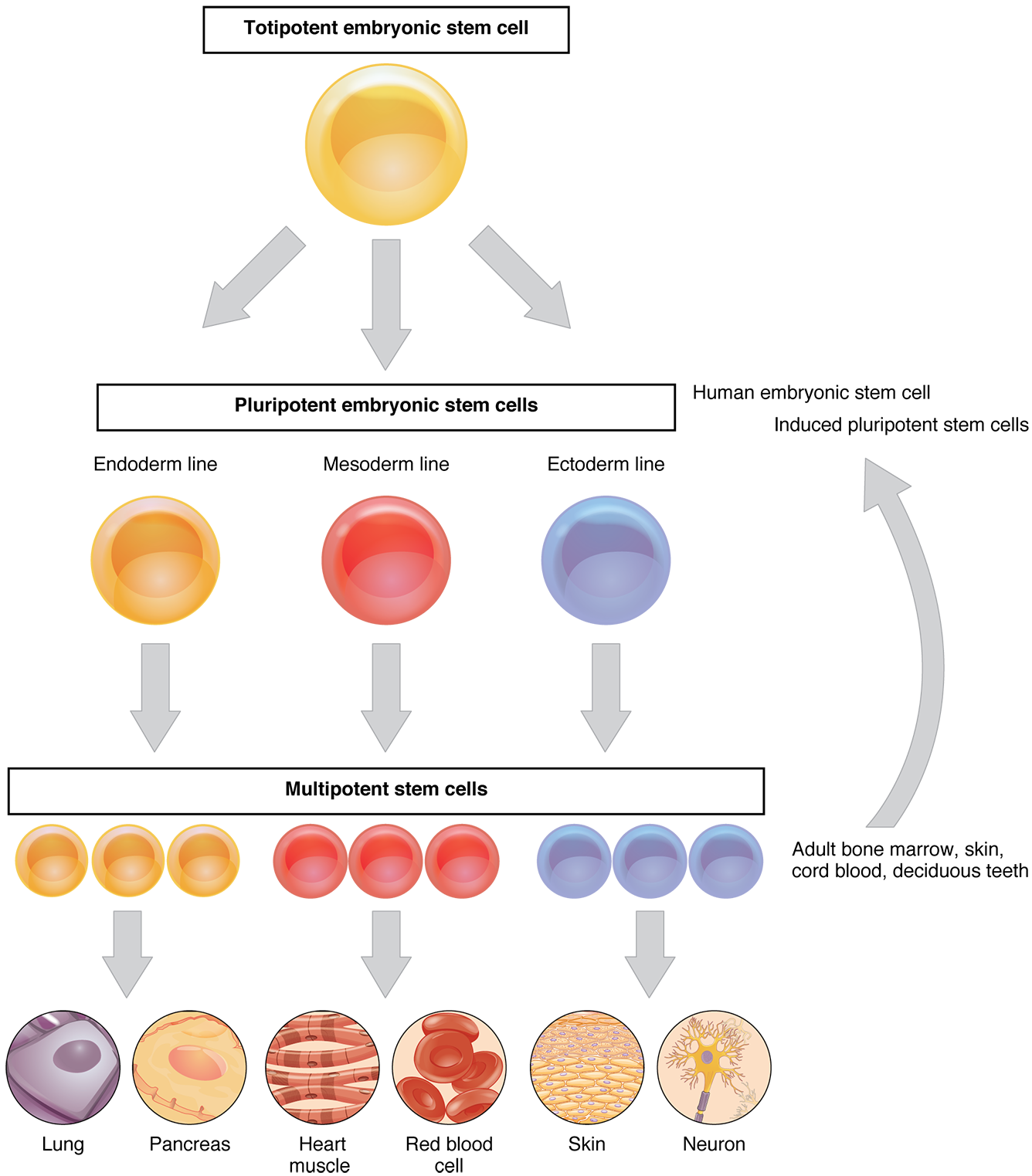
Cellular Differentiation Anatomy And Physiology
Cell differentiation is a crucial and continuous process in multicellular organisms which allows for cell specialization.
. In asymetric cell division the cell will be induced to differentiate into a specialized cell and the growth factors will work in tandem. C the transcription of the myoD gene. Adhesion molecules which allows for differentiation of B cells proliferation at various stages and movement within the bone marrow microenvironment Immature B cell leaves the bone marrow and undergoes further differentiation Immune system must create a repertoire of receptors capable of recognizing a large array of antigens while.
E the cells sensitivity to environmental cues such as. Bulk flow allows oxygen to reach interior cells that are located far from the surface of the body. Each of the viable genes contains important information that determine the cell type and physical attributes of the animal host.
Investigate how cell differentiation and gene expression work the. In animals these cells are embryonic stem cells and in higher plants these cells are termed meristematic cells. These components are either synthesized by proteins or are themselves.
When cells express specific genes that characterise a certain type of cell we say that a cell has become differentiated. Down-hill-directed differentiation Waddington leads to the exponential waiting of barrier crossing while flux-directed. Cell differentiation always involves A the production of tissue-specific proteins such as muscle actin.
Human myeloid leukemias provide models of maturation arrest and differentiation therapy of cancer. The genetic lesions of leukemia result in a block of differentiation maturation arrest that allows myeloid leukemic cells to continue to proliferate andor prevents the terminal differentiation and apoptosis seen in normal white blood cells. During development cells use both intrinsic.
Epidermis cell differentiation in Arabidopsis thaliana is a model system for understanding the mechanisms leading to the developmental end state of plant cells. Genes that are not needed will remain inactive and are prevented from transcription. Bulk flow allows rapid communication between different parts of the body.
Cells can turn off and on their entire genome at willB. A recent study shows that the cell polarity pathways regulated by Par proteins and the cellular machinery that controls the orientation of the cell spindle also engage the Notch signaling pathway as a downstream effector to control the balance between proliferation and differentiation Williams et al. Mechanics of cellular differentiation can be controlled by growth factors which can induce cell division.
Protocols for in vitro Differentiation of Human Mesenchymal Stem Cells into Osteogenic Chondrogenic and Adipogenic Lineages Methods Mol Biol. A multicellular organism develops from a single cell the zygote into a collection of many different cell types organized into tissues and organs. Transcription of a particular gene in a specific cell is tissue specific.
D the selective loss of certain genes from the genome. Stem cells are divided into several categories according to their potential to differentiate. Cell differentiation is the process that gives generic cells a specialized purpose through a process known as gene expression.
The specific components of a given cell provides its special characteristics. Which best explains the mechanism that allows for cell differentiation. Both root hairs and trichomes differentiate from epidermal cells and molecular genetic analyses using Arabidopsis mutants have demonstrated that the differentiation of root hairs and trichomes is regulated by similar.
Cell differentiation is achieved by one of the following mechanisms. Different fertilized cells fuse producing specialized cells D. Bulk flow allows nutrients to be transported over greater distances.
A stem cell is an unspecialized cell that can divide without limit as needed and can under specific conditions differentiate into specialized cells. Mitochondrial stress generates a reactive oxygen species ROS-dependent retrograde signal that modulates neutral stem cell proliferation and differentiation. Development involves cell division body axis formation tissue and organ development and cell differentiation gaining a final cell type identity.
Differentiation happens multiple times during the development of a multicellular organism as it changes from a simple zygote to a complex system of tissues and cell types. The UPR mt is an emerging adaptive stress response pathway that ensures optimal quality and function of the mitochondrial proteome. Which of the following explains why bulk flow allows an organism to attain a larger body size.
Differentiation results in the presence of cell types that have clear-cut identities such as muscle cells nerve cells and skin cells. Differentiation is the process by which unspecialized cells become specialized to carry out distinct functions. Differentiation continues in adulthood as adult stem.
Both animals and plants have cells which can differentiate into all of the cells required by an adult organism. Cellular differentiation is the process in which a stem cell alters from one type to a differentiated one Usually the cell changes to a more specialized type. Gene Structure - This is the most important factor when it comes to cell differentiation.
Primary Factors Influencing Cell Differentiation. Differentiation results from differential gene expression. Genes are activated and produce a specialized cellC.
B the movement of cells. Once a cell becomes differentiated it only.
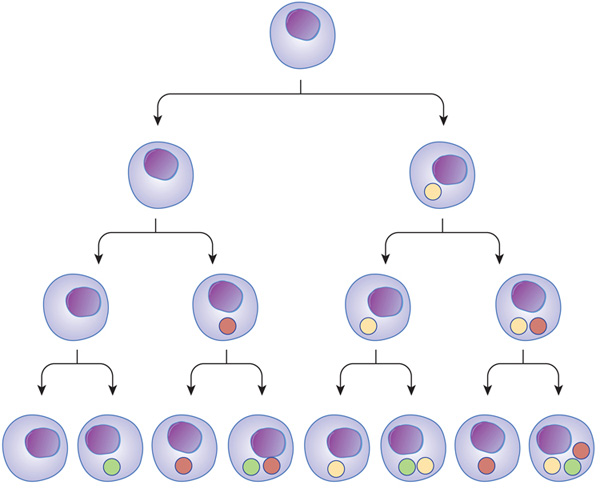
Cell Differentiation Tissue Learn Science At Scitable
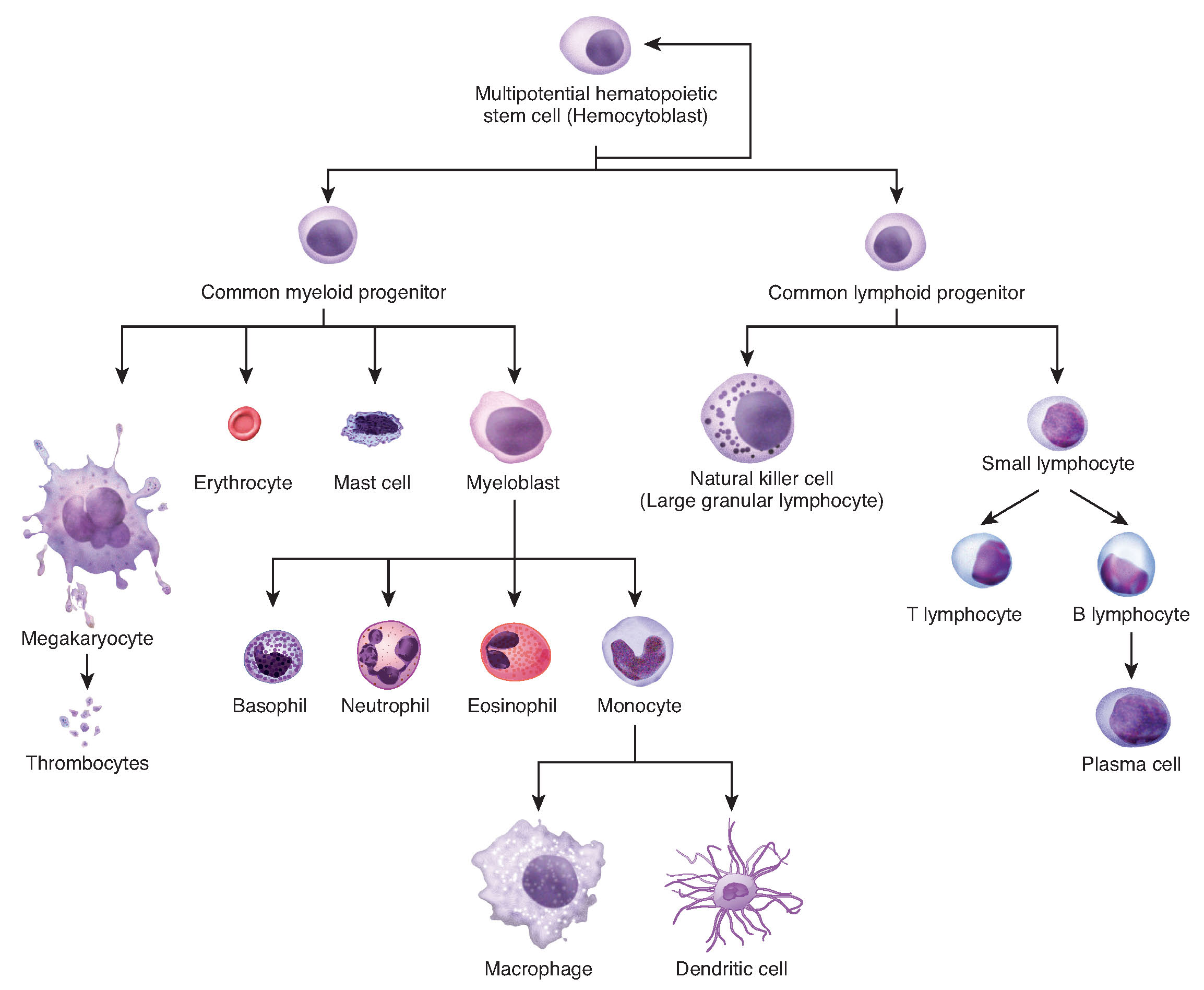
Cellular Differentiation Anatomy And Physiology
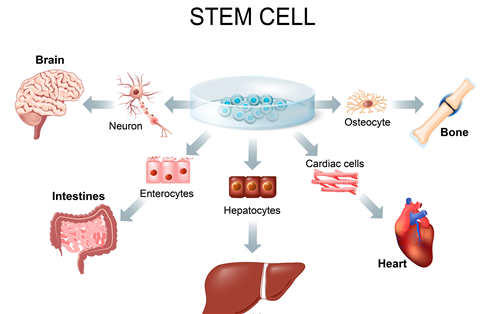
Cell Differentiation Creative Diagnostics


Comments
Post a Comment